Brand Logo
Commercial cleaning equipment

Tennant floor care programs for demanding facilities

Choose floor scrubbers, sweepers, and industrial vacuums around the route, soil load, operator skill, and maintenance window your team actually works with every day.

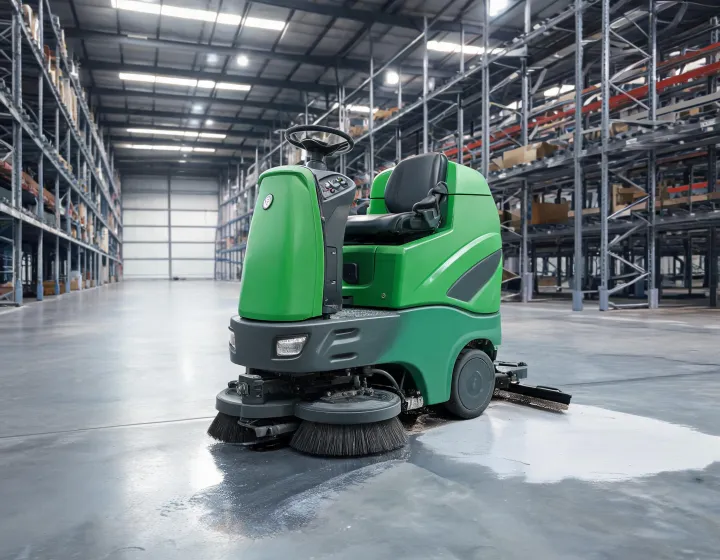
Ride-on floor scrubber cleaning a logistics aisle
  • 01

    Scrubbers

    Daily wet cleaning for finished floors.

  • 02

    Sweepers

    Dry debris control before traffic peaks.

  • 03

    Vacuums

    Dust and detail work around fixtures.

  • 04

    Service

    Parts planning for uptime windows.

PM Planned Preventive maintenance routes
24 Shift Ready Equipment guidance for daily crews
ISO Documented Quality and environmental systems
ROI Measured Labor, water, and uptime reviews
Machine categories

Match the cleaning route before you match the model

Facility teams get better results when machine size, pad pressure, debris type, and recovery tank workflow are planned together instead of treated as separate purchase questions.

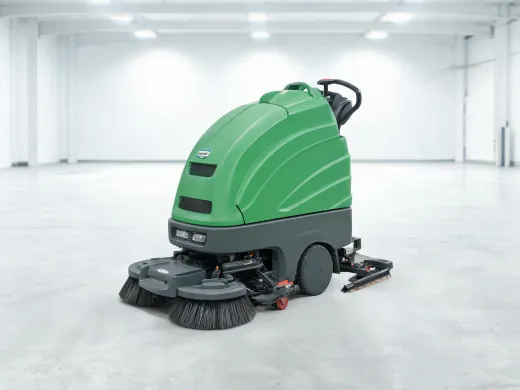
Industrial floor scrubber on finished concrete
Wet floor care

Floor Scrubbers

Walk-behind and ride-on machines for distribution centers, retail floors, schools, and manufacturing routes where recovery performance matters. Typical scrub paths run 17 to 45 inches with 6 to 60 gallon solution tanks depending on class.

Scrub deckRecoveryOperator fit
Explore scrubbers
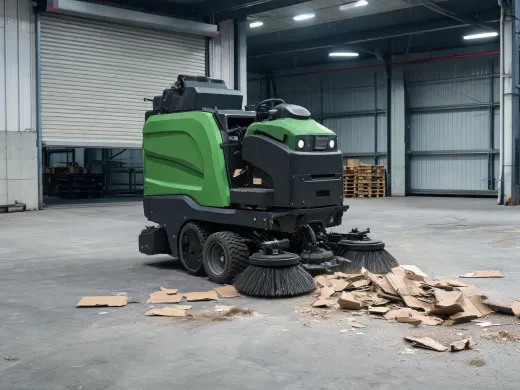
Commercial floor sweeper collecting debris
Dry debris control

Floor Sweepers

Dustpan, hopper, and side-broom configurations help teams keep loading aisles, entrances, and production edges ready before wet cleaning. Hopper capacity commonly ranges from about 1 to 9 cubic feet across walk-behind and ride-on classes.

HopperSide broomDust path
Compare sweepers
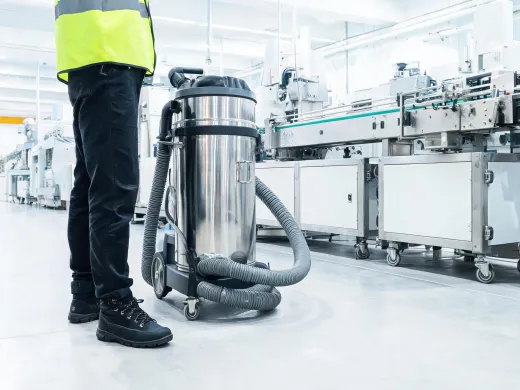
Industrial vacuum used near equipment line
Detail cleaning

Industrial Vacuums

Portable and heavy-duty vacuum choices support dust pickup, fixture edges, mezzanines, and maintenance areas that larger machines cannot reach. Options span single-motor portables to multi-motor units, with HEPA-grade filtration available for fine particulate.

FiltrationHose reachTank size
Review vacuums
Responsible floor care

Lower waste starts with a machine route that fits the floor

Water use, detergent choice, battery runtime, and operator passes are practical decisions. Tennant helps teams tune those variables so crews clean with fewer repeat passes and less wasted tank changeover time.

These machines work best on hard, sealed floors within a planned charge window. Flooded spills, coarse construction debris, and carpeted areas sit outside the squeegee-and-scrub model, and we will say so rather than fit a machine to the wrong surface.

Water

Set solution flow by surface and soil.

Energy

Balance runtime with charge windows.

Parts

Plan squeegee and brush replacement.

Before you choose

Two questions where teams genuinely go both ways

Not every floor-care decision has a single right answer. Two come up on almost every Tennant site review, and the honest position is that each side wins under different conditions.

Ride-on or walk-behind?

Ride-on machines finish large open floors in fewer passes and ease operator fatigue. Walk-behind units cost less, turn in tight aisles, and store in smaller rooms. The deciding factor is aisle width and how much open square footage the route actually contains, not raw productivity numbers.

One machine class or a mixed fleet?

A single class keeps training, parts, and chargers simple. A mix of scrubbers, sweepers, and vacuums matches each zone more precisely but raises stocking and training overhead. Buildings with one dominant surface lean to the first; buildings with several distinct zones lean to the second.

Deployment rhythm

A practical path from floor survey to reliable cleaning routes

01

Floor and traffic review

Teams map entrances, soil sources, drain points, charging space, and pedestrian windows before comparing equipment categories.

02

Machine and pad selection

Scrub path width, tank volume, brush pressure, filtration, and operator visibility are matched to the route instead of a generic catalog tier. Where a choice is close, a measured on-site demo on your own floor settles it: time a representative aisle, check recovery and dry time, and confirm battery draw against the shift window before a quote is signed.

03

Operator handoff

Supervisors receive startup checklists, recovery tank habits, charger guidance, and inspection points crews can repeat across shifts.

04

Uptime review

Service planning covers wear parts, battery care, and route changes so equipment stays aligned with facility demand after launch.

Ready to size a Tennant floor-care program?

Share your building type, daily square footage, and current cleaning bottleneck. A specialist can help narrow the machine class before you request quotes, usually replying within one business day, with an optional 90-day route review after deployment.