Brand Logo
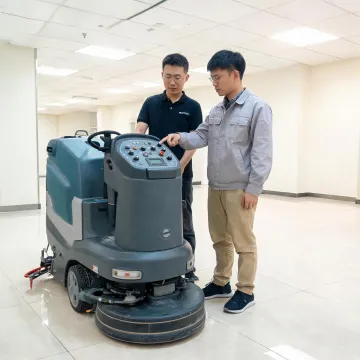
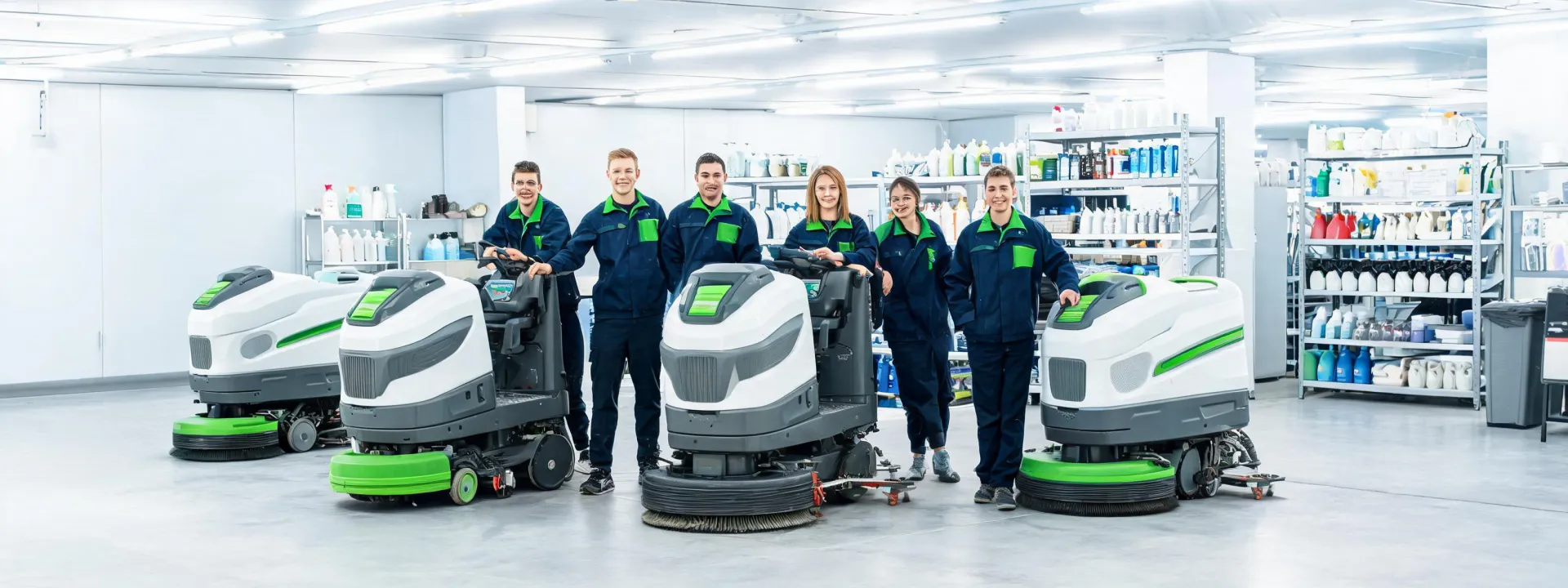
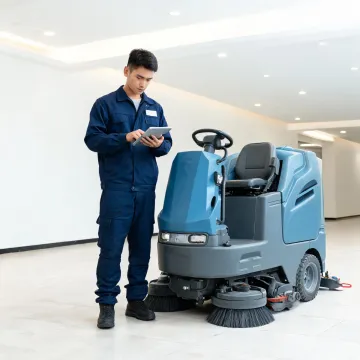
Tennant support team in a commercial cleaning equipment facility
About Tennant

Tennant people help facilities clean with confidence

Behind every machine decision is a route, a crew, a floor finish, and a maintenance window. Tennant works with those practical details so equipment plans remain useful after the purchase order is complete.

How we work

A dependable approach to commercial cleaning equipment

Assess

Start with the floor, not the model number

Tennant conversations begin with surface type, traffic timing, debris patterns, water access, and the number of operators touching the machine each week. That context keeps recommendations anchored in facility reality rather than a generic product tier.
Specify

Translate cleaning goals into machine choices

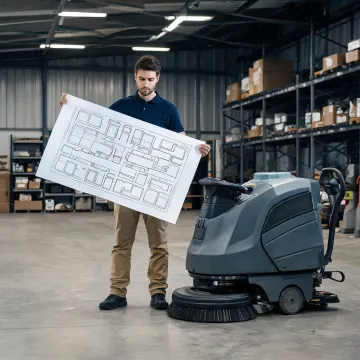
Scrub path, tank volume, filtration, brush type, squeegee setup, and battery runtime are reviewed together. As a frame of reference, that usually means matching a 17 to 45 inch scrub path and a 6 to 60 gallon solution tank to the cleaned area, choosing cylindrical or disc brushes by soil type, and setting filtration grade by particulate. The goal is a machine that fits the route while remaining simple enough for daily crews to operate correctly.

Support

Protect the routine after deployment

Service planning covers operator handoff, preventive maintenance intervals, common wear parts, and review points that help supervisors adapt as floor use changes. A typical rhythm is a preventive check on a quarterly cycle and a 90-day route review after launch. Reliable cleaning depends on this follow-through as much as the machine itself.

Practical guidance

Recommendations stay tied to route length, soil load, operator experience, and storage constraints, because those variables decide whether a machine works well in daily use.

Service discipline

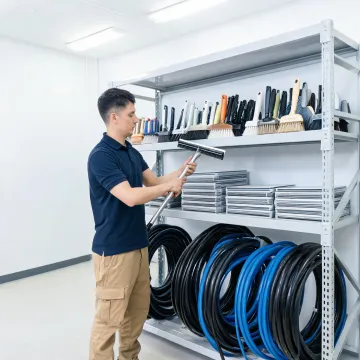
Parts, chargers, filters, brushes, and squeegees are treated as part of the equipment plan, not as afterthoughts that appear only when a machine is already down.

Long-term fit

Facilities change. Tennant encourages review cycles so equipment choices can keep pace with traffic patterns, floor finishes, labor schedules, and safety expectations.

Honest scope

We are clear about where these machines do and do not belong. Scrubbers and sweepers serve hard, sealed floors within a planned charge window; flooding, coarse rubble, and carpet call for other methods, and we say so up front.

Specification literacy

Scrub path width, tank volume, hopper capacity, brush pressure, and filtration grade are the numbers that decide daily output. We translate them into plain terms so procurement and operations read the same machine the same way.

Support roles

People your facility team can rely on

Commercial floor care crosses operations, safety, procurement, and maintenance. The Tennant support model brings those conversations together so the final plan is easier to run.

Cleaning equipment application advisor

Application Advisors

Route reviews and category selection.

Commercial cleaning equipment service technician

Service Technicians

Maintenance intervals and repairs.

Operator trainer explaining floor scrubber controls

Operator Trainers

Handoff routines crews can repeat.

Parts coordinator organizing scrubber replacement components

Parts Coordinators

Wear-part readiness for uptime.

Balanced advice

Where our recommendation depends on your numbers, not our catalog

Two acquisition questions surface on most equipment reviews. We do not push a default answer; the right call moves with utilization and budget cycle.

Replace or refurbish an aging machine?

A high-hour scrubber near the end of its deck and battery life is often cheaper to replace once parts and downtime are counted. A mid-life unit on a light route can be worth a brush, squeegee, and battery refresh instead. The break-even sits with operating hours and parts availability, not machine age alone.

Buy outright or run a service plan?

Owning suits stable, predictable routes where the equipment will be used hard for years. A bundled service plan suits fluctuating demand or sites that would rather not carry maintenance and parts risk in-house. We will model both against your shift pattern rather than assume one.

Segment dispute data was unavailable, so these are framed as conservative selection trade-offs.

Operational credentials facility buyers often request

Quality and environmental management to ISO 9001 and ISO 14001, CE conformity guidance for applicable machines, and safety documentation are available on request so procurement can verify rather than take a claim on trust.

ISO 9001 ISO 14001 CE Guidance Safety Documentation

Discuss a Tennant equipment plan with a practical team

Bring your floor types, cleaning schedule, and current machine pain points. We will help translate those details into a focused route and support conversation.

Start the Conversation